
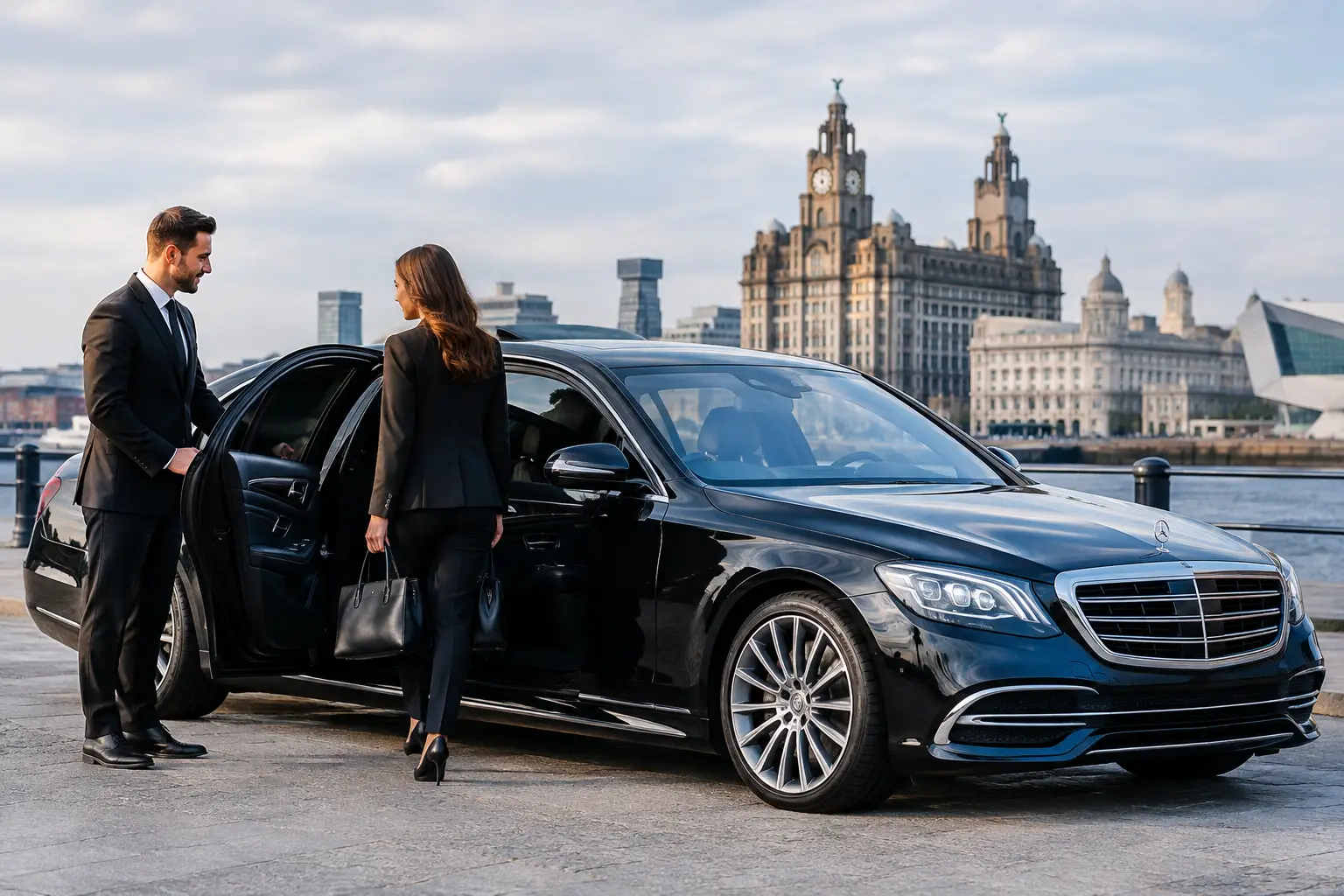
A business meeting can be won or weakened before anyone reaches the boardroom. A delayed train, a missing taxi or an unfamiliar driver taking the long route all put pressure on an already busy schedule. This business meeting transport guide explains how to arrange dependable travel for colleagues, clients and visiting professionals across Liverpool, the North West and beyond.
For corporate travel, the journey is not a small detail to leave until the last minute. It is protected time: a chance to prepare, make a call, discuss the agenda privately or simply arrive calm and presentable. The right private-hire arrangement turns transport from a risk into part of a well-managed day.
Start with the meeting, not the vehicle
The best travel plan begins with the appointment itself. Confirm the full address, the required arrival time, who is travelling and whether there are any stops before or after the meeting. A city-centre office, a regional business park, a hotel near Liverpool John Lennon Airport and a client site outside the city each need a different allowance for traffic, access and parking.
Work backwards from the time you need to be at reception, rather than the time the meeting starts. Allow enough time to sign in, find the correct floor, collect a visitor pass and settle before the conversation begins. For an important pitch or first meeting, arriving 10 to 15 minutes early is usually sensible. It gives your party breathing room without leaving clients waiting unnecessarily.
The number of passengers matters as much as the destination. One executive travelling with a laptop has different requirements from six colleagues carrying presentation cases, overnight bags or exhibition materials. Booking the correct vehicle avoids the awkward scramble for a second car and keeps the group together when that is useful.
Choose transport that reflects the occasion
A standard taxi may suit a short, informal journey. For client meetings, airport collections, site visits or a day involving several appointments, pre-booked executive transport offers more control. You know who is collecting you, what vehicle is arriving and what the fare will be before the journey begins.
That consistency is valuable when you are responsible for other people. A professional driver and well-presented vehicle make a strong first impression for a visiting client, candidate or senior colleague. More practically, door-to-door travel means no searching for parking, no navigating an unfamiliar area and no splitting the group between public transport services.
Vehicle choice should be proportionate. An executive saloon may be right for one or two passengers, while a Mercedes-Benz V Class is better suited to groups of up to seven, particularly when luggage or equipment is involved. A larger premium vehicle also gives passengers room to work or hold a confidential conversation on the move.
Comfort is not simply a luxury consideration. Good seating, climate control, charging facilities and onboard Wi-Fi can make a long journey productive. For colleagues travelling together to Manchester, Birmingham, Leeds or London, the travel time may be the only uninterrupted opportunity to prepare as a team.
Build realistic time into the itinerary
Punctuality is about more than leaving early. It depends on understanding the parts of the day that can change. Liverpool city-centre traffic can be affected by football fixtures, concerts, cruise activity, roadworks and peak commuter periods. Routes around airports, rail stations and major venues need particular care when several services arrive or depart at once.
A reliable provider should plan the collection time around these factors, not offer an optimistic estimate and hope for the best. If a meeting cannot move, tell the transport provider that when booking. It helps them recommend an appropriate pick-up time and route.
For multi-stop days, share the full schedule in advance. A driver can then account for waiting time, the order of calls and likely delays between locations. Hourly chauffeur hire can be a better choice than arranging separate journeys where the programme is fluid, especially for property viewings, investor visits, leadership meetings or client entertainment.
There is a trade-off here. Booking a driver to remain available may cost more than a single transfer, but it can save significant time and uncertainty. The value is greatest when an executive has a tight diary, the next destination is not easily accessible, or plans may change during the day.
Make airport and rail collections part of the plan
A visiting colleague should not have to navigate an unfamiliar airport or station after a long journey. Arrange a clear collection point, provide the driver's contact details where appropriate and ensure the passenger knows what to expect on arrival.
For flights, live monitoring is particularly useful. Flight times can change before departure, arrivals can be delayed and passengers may take longer than expected to clear baggage reclaim. A transport provider that monitors the flight can adjust the collection rather than relying on the original timetable alone.
Rail travel needs similar attention. Liverpool Lime Street can be busy at peak times and train delays are common enough to affect a tightly timed meeting. Ask the passenger to share their train service and carriage details if available, then allow a practical margin between arrival and the first appointment.
If several people are arriving separately, avoid sending a stream of vague messages on the day. Create one itinerary with names, mobile numbers, arrival details, pick-up points and the person responsible for decisions if timings change. It keeps the experience organised without making guests feel managed.
Protect privacy, safety and professional standards
Business passengers often discuss sensitive information: pricing, recruitment, contracts, performance or personal circumstances. A licensed, DBS-checked driver and a professional private-hire service provide the confidence that those conversations are handled with discretion.
Safety should be part of the booking decision, particularly for late finishes or travellers unfamiliar with the area. Check that the vehicle is insured, the driver is properly licensed and the service has a direct contact point if plans change. A named, local provider is easier to reach than an anonymous booking platform when a train is cancelled at short notice or a meeting overruns.
It also helps to confirm the fare upfront. A fixed-price quotation means the quote is the fare, with no surge pricing caused by demand or bad weather. That makes expense planning simpler and avoids an uncomfortable surprise at the end of a client-facing journey.
Communicate the details that prevent problems
Small pieces of information make a noticeable difference to business transport. Give the provider the building entrance, not just the postcode, if the location has several access points. Mention luggage, mobility requirements, presentation boards or any need for child seats. Let them know if a passenger is being collected from a hotel, as reception and concierge teams may need to direct the driver.
For senior guests, avoid making them coordinate logistics themselves. Send a brief, clear message confirming the collection time, vehicle type, driver's contact details and destination. If their flight, train or meeting time changes, one agreed contact should update the booking promptly.
When travelling as a group, decide whether the journey should be quiet working time or an opportunity to talk through the meeting. The answer may affect vehicle choice and seating arrangements. A premium people carrier gives a team more space to prepare together, while individual transfers may be more suitable if passengers need privacy.
Use a local transport partner for repeat travel
Regular corporate travel becomes easier when the provider understands your usual routes, preferred collection points and service expectations. Rather than explaining the same requirements for every booking, your team can arrange transport with confidence that the practical details will be recognised.
Oakmont Executive Travel provides fixed-fare, chauffeur-driven transport from Liverpool across the North West and mainland UK, with 24-hour booking support for early departures, late arrivals and demanding meeting schedules. For businesses, that means a direct point of contact, professional drivers and travel arranged around the people on board.
The most effective business travel does not draw attention to itself. Your guests step out at the right place, at the right time, ready for the meeting that matters. That is the standard worth planning for.